UR & JKK Property Viewing Checklist: 15 Things to Check
Published April 13, 2026
Viewing a UR or JKK property in person is a crucial step to avoid regrets after moving in. Unlike private rentals, public housing units can be difficult to renovate or modify after move-in, making it essential to inspect everything carefully. This guide covers 15 often-overlooked points organized into a practical checklist.
Checklist Overview
| Category | Priority | Key Checks |
|---|---|---|
| 1. Plumbing | ★★★ | Water pressure, drainage, leak stains, water heater |
| 2. Soundproofing | ★★★ | Wall thickness, neighbor noise, traffic noise |
| 3. Sunlight | ★★ | Natural light, balcony orientation, moisture and mold |
| 4. Storage | ★★ | Closet space, delivery path, outlet locations |
| 5. Common Areas | ★★ | Elevator, cleanliness, garbage area |
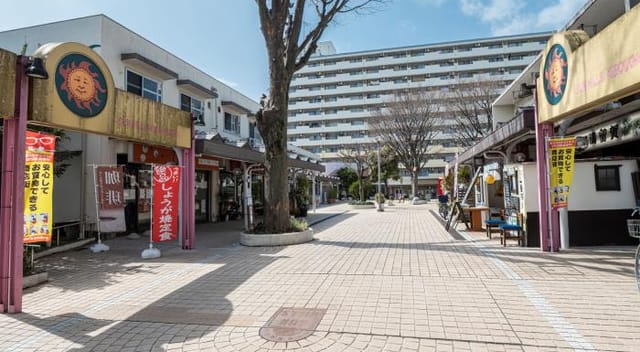
| 6. Surroundings | ★★ | Station distance, shopping, clinics, schools |
| 7. Viewing Tips | ★ | Visit twice, bring tape measure, take photos |
1. Plumbing and Water
Water-related issues directly affect daily comfort and are among the most important things to check.
- Water pressure: Turn on faucets fully in the kitchen and bathroom. Upper floors may have weaker pressure
- Drainage: Run water in sinks and the bathtub to check if it drains smoothly. Slow drainage may indicate aging pipes
- Water stains: Look under the kitchen sink and bathroom vanity for stains or signs of past leaks
- Water heater: Confirm hot water works properly and check the manufacturing year of the water heater
2. Soundproofing and Noise
Noise complaints are common in apartment complexes, so always check sound insulation carefully.
- Wall thickness: Lightly tap the walls. A hollow sound may indicate thin walls with poor insulation
- Noise from other floors: Stand quietly and listen for footsteps or sounds from floors above and below
- Traffic noise: Compare noise levels with windows open and closed to gauge sound from roads or railways
- Window insulation: Check the condition of window frames and whether double-pane glass is installed
3. Sunlight and Ventilation
Natural light and airflow affect both comfort and health.
- Natural light: Check how much sunlight reaches each room. Look for nearby buildings that may block light
- Balcony orientation: South-facing is ideal, but surrounding buildings can affect actual conditions
- Airflow: Open windows to see if a cross-breeze comes through. Corner units tend to have better ventilation
- Moisture and mold: Check walls and ceilings for stains, window frames for mold, and closets for dampness
4. Storage and Layout
Floor plans alone don't tell the whole story — check the practical usability in person.
- Storage space: Measure the depth and height of closets. Check if they can fit futons, suitcases, and other large items
- Furniture delivery path: Measure the front door width, hallway width, and stairwell corners. Make sure refrigerators and sofas can get through
- Outlet locations and count: Note where outlets are in each room and plan your furniture layout accordingly. Older units may have fewer outlets
5. Common Areas
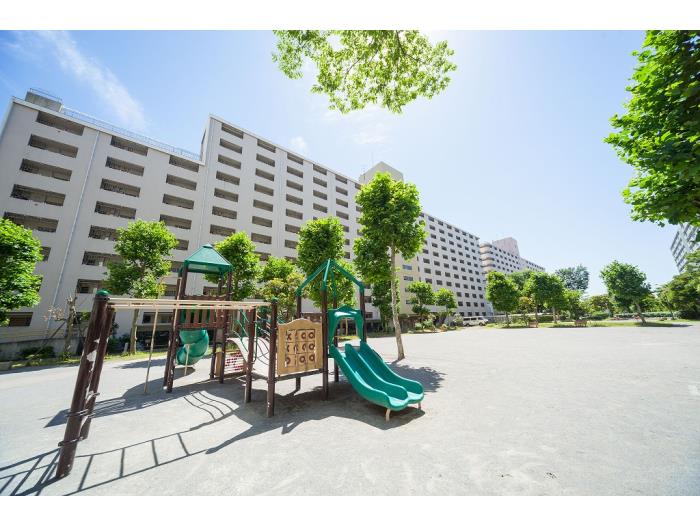
The condition of shared spaces reflects the building's management quality and resident behavior.
- Elevator: Older danchi may lack elevators even in 5-story buildings. This significantly impacts daily life
- Hallways and stairwells: Clean, well-maintained common areas indicate good management
- Garbage collection area: Check if it's organized and whether sorting rules are being followed
- Notice board: Frequent noise warnings or rule violation notices may indicate ongoing problems among residents
6. Surrounding Area
The neighborhood matters just as much as the unit itself for daily quality of life.
- Actual walking time to the station: Listed "X minutes on foot" is based on straight-line distance. Walk it yourself, factoring in hills and traffic lights
- Supermarkets and convenience stores: Make sure daily shopping is convenient, and check store hours
- Medical facilities: Confirm there are clinics nearby, such as internal medicine and pediatrics
- Schools: If you have children, check the distance to schools in the assigned school district
7. Viewing Tips
These practical tips will help you get a more accurate picture of the property.
- Visit at two different times of day: Sunlight, noise, and neighborhood atmosphere can change dramatically between day and night. If possible, visit on both a weekday and a weekend
- Bring a tape measure: Measuring furniture placement spots and curtain sizes in advance makes moving preparation much smoother
- Take photos: Photograph each room, plumbing areas, storage, and the view from the balcony so you can compare properties later
- Observe the neighbors: The atmosphere in common areas and the condition of balconies and entryways can give you a sense of the living environment