Pros and Cons of Living in a Japanese Danchi (Housing Complex)
Published April 13, 2026
"Danchi" (housing complexes) may sound old-fashioned, but they're experiencing a revival — especially among younger residents drawn to renovated units and affordable living. Here's an honest look at what it's really like to live in a danchi.
Pros
- ✓Affordable rent
- ✓Spacious layouts
- ✓Green, open environments
- ✓Community connections
- ✓Growing renovation options
Cons
- ▲Aging buildings and facilities
- ▲Sound insulation issues
- ▲Distance from stations
- ▲Community rules
- ▲Aging resident population
Advantages of Danchi Living
Affordable Rent
The biggest draw is cost. Danchi units can be tens of thousands of yen cheaper per month than comparable private apartments. Add zero key money, agent fees, and renewal fees, and total savings are substantial.
Spacious Layouts
Danchi units tend to be more generous in floor space. Family-sized 3DK and 3LDK units of 60–70m² or more are common, offering significantly more room than similarly priced private rentals.
Green, Open Environments
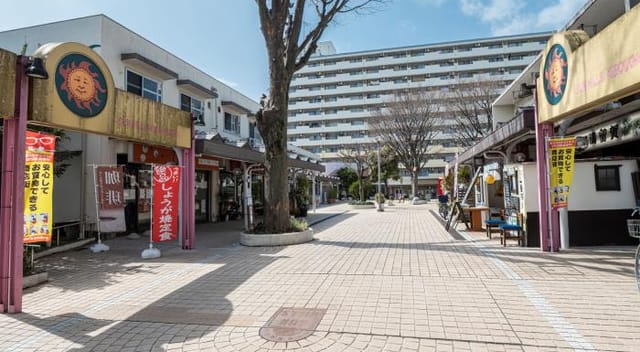
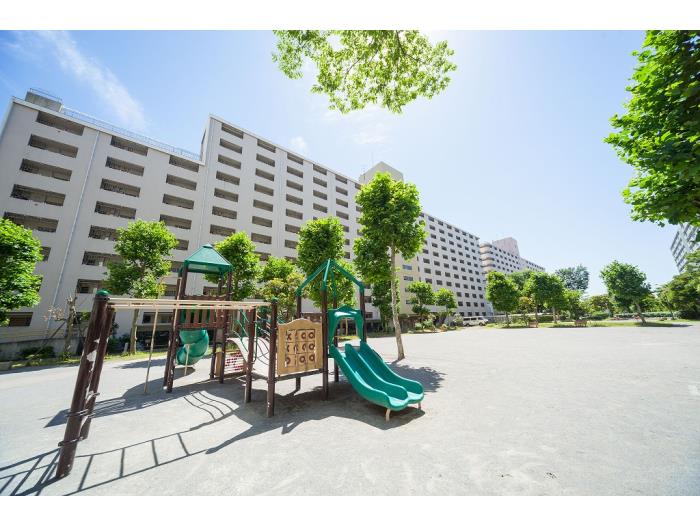
Large complexes often include parks, green spaces, and playgrounds — making them great for families with children. Parking and bicycle storage are usually plentiful too.
Community Connections
Many danchi have active residents' associations and a sense of neighborly connection that's rare in typical Tokyo apartment buildings. Community events, festivals, and shared activities bring people together.
Growing Renovation Options
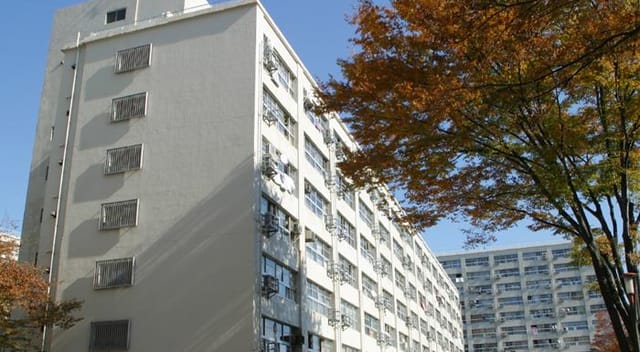
UR in particular has been renovating units extensively, including collaborations like "MUJI×UR" with modern, stylish interiors. Don't let the exterior fool you — the inside may surprise you.
Disadvantages of Danchi Living
Aging Buildings and Facilities
Many danchi are 40–50+ years old. Common issues include no elevator (even in 5-story buildings), poor insulation, and aging plumbing. Non-renovated units may feel dated in kitchens and bathrooms.
Sound Insulation
Older buildings may have thin concrete walls, meaning you can hear neighbors above, below, and beside you. This is especially worth considering for families with young children.
Distance from Stations
Large complexes are often located in suburban areas, sometimes 15+ minutes' walk from the nearest station or requiring a bus. Always check commute times before applying.
Community Rules
Some danchi have strict regulations: no pets, restrictions on musical instruments, balcony usage rules, and expected participation in residents' association activities.
Aging Resident Population
Some complexes have seen significant demographic aging, with fewer young families. However, renovated complexes are increasingly attracting younger residents.
What to Check Before Moving In
| Item | What to Check |
|---|---|
| Elevator | Availability (essential for upper floors) |
| Renovation | Whether plumbing and kitchen have been updated |
| Station Access | Distance and transport options to nearest station |
| On-site Facilities | Supermarket, park, parking availability |
| Maintenance | Common area cleanliness and repair status |
| Surroundings | Access to shops, clinics, and schools |
Summary
Danchi living isn't for everyone, but the combination of affordable rent and spacious layouts is genuinely compelling. Renovated units in particular offer a great quality-to- cost ratio. Browse danchi vacancies on komadori and schedule a viewing to see for yourself.